


So-called “spam risk” calls are more than a nuisance; they offer a path to unwanted privacy violate or scams if they are answered. Here is more information about how Spam Risk calls work and how dangerous they can be.
Then sign up for something like Norton 360 Deluxe, which includes a built-in Privacy Monitor tool that can help keep your phone number off data broker lists and people search sites.
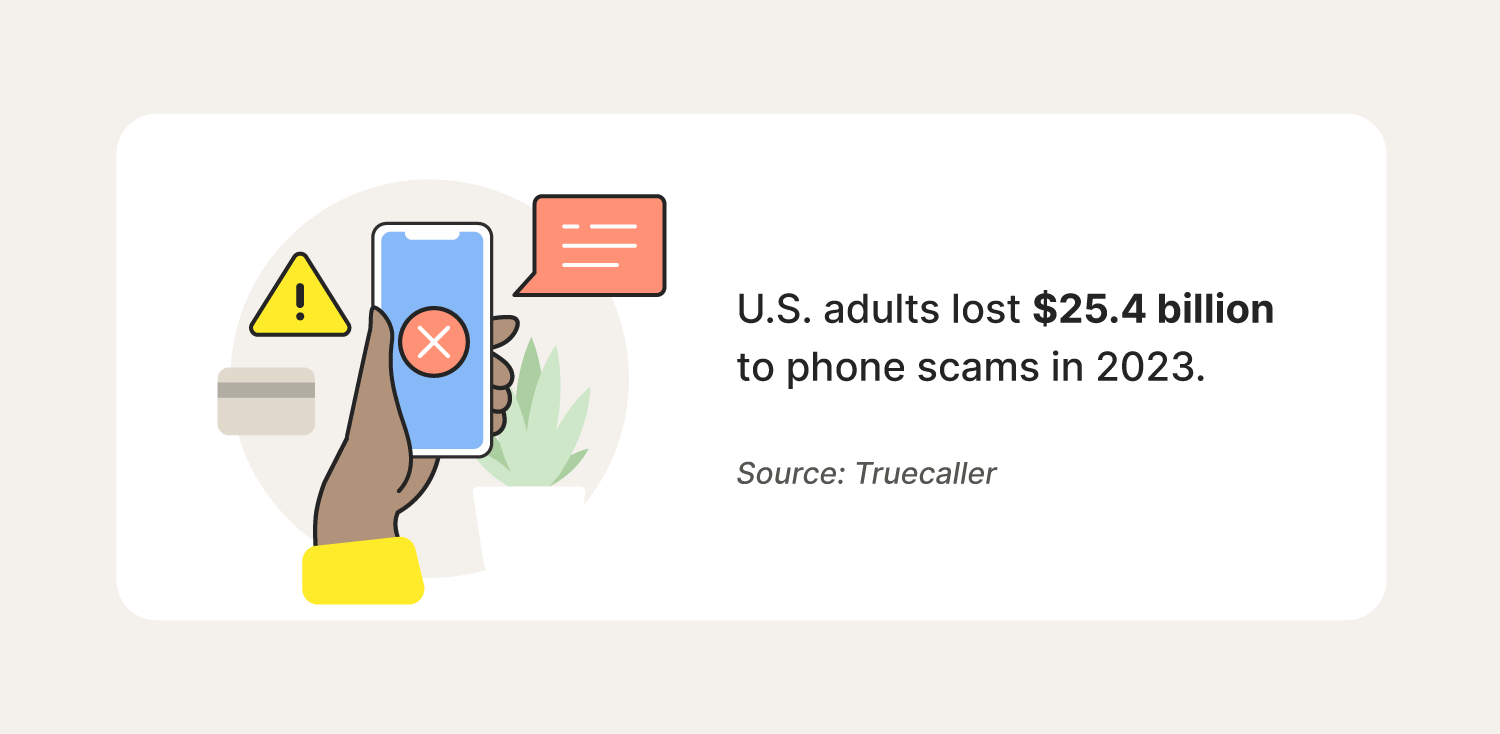
Spam Risk calls are a ubiquitous and grating nuisance. A 2024 Truecaller study found that over 56 million U.S. adults got hit with spam and scam calls in 2023, leading to a total drain on U.S. more than $25 billion of consumers.
Unsolicited Spam Risk calls can open the door to unauthorised recordings and social engineering scams that can lead to account takeovers, identity theft, and other fraudulent activities.
These calls can affect smartphones, landlines, and even some VoIP (Voice over Internet Protocol) services. Let’s examine deeply what Spam Risk calls are and how you can avoid them.
What is Spam Risk?
‘Spam Risk’ is a designation that many mobile carriers use to tag suspected spam phone calls, often because they are from unknown or sketchy sources.
Carriers may also flag some numbers as spam when the caller makes many calls of short duration, or when the number generates feedback from many recipients.
Possibly spam if the caller ID name displays “Spam Risk,” “Spam Likely,” “Suspected Spam,” or something like that. If you do receive one of these warnings, hang up and block the number.
Why Do You Continue to Receive Spam Risk Calls?
If you’re inundated with spam calls, your phone number may have been leaked in a data breach or other privacy-related incident, or it could have ended up on a telemarketing list. However, it’s also possible that:
- Data brokers are mining public sources for your contact information and then selling it to businesses.
- People search sites are sharing your phone number with the world.
- Someone may have mentioned you in a post or posted your information on social media.
- You’re getting robocalls, which are automated systems that call through lists of numbers at random.
You should be using something to fight spam in the first place because spammers will usually just keep trying to call you if they think they’ve got the right number, no matter how they got it.
To avoid having your phone number show up on data broker sites and people search sites, consider using Norton 360 Deluxe with its Privacy Monitor feature that scans popular people-search sites to see if your personal information is listed somewhere on the web.
What Happens if You Answer a Spam Risk Call?
When you answer a spam call, usually nothing life-altering happens. You may lose a few minutes of your life, the spammer may call you again later, or you may end up paying international call fees. The true peril is in interacting with a scammer and becoming enmeshed in his or her scam.
Some things you might see include:
- Vishing: Short for voice phishing, vishing is when scammers attempt to deceive you into giving them personal information over the phone, such as passwords or financial info.
- Unauthorized recordings: Hackers can use a recording of your voice to defraud people who know and trust you.
Should You Answer Spam Risk Calls?
No, you should not respond to a Spam Risk call, because that tells them you have an active number and invites even more spam calls. If the call in fact is a scam, the scammer may engage in “social engineering” in an attempt to get you to share personal financial information.
It’s a good idea to just block and report the number to try to prevent scams or unwanted contacts.
How to Know if a Number is a Potential Spam
The problem with rolling the dice is that it is often easy to know if a number is spam, with caller ID. But this isn’t always true: Scammers can also use caller ID spoofing technology to make an incoming call appear as though it’s coming from a trusted organization.
Here are some indications that the phone number calling you is a spammer or scammer:
- You’ve received a number of unwanted calls from the number.
- The number appears as a common scammer or telemarketer number online.
- The number doesn’t match the name displayed on screen (e.g., the name is a government agency, but it’s a local number).
- There’s an international area code that you don’t recognize.
How to Stop Spam Risk Calls
It’s not often possible to stop spam calls from coming in, but there are steps you can take to reject them or filter them out so they go straight to voicemail. You can also block spammers after they call or message you. I will show you how to filter and block spam calls on Android and iPhone.
Block Spam Calls on Android
You can block spam calls using Android’s built-in “Caller ID and spam protection” setting. Some spam calls may still slip through, but if it happens, you should block the individual numbers so they can’t reach you again.
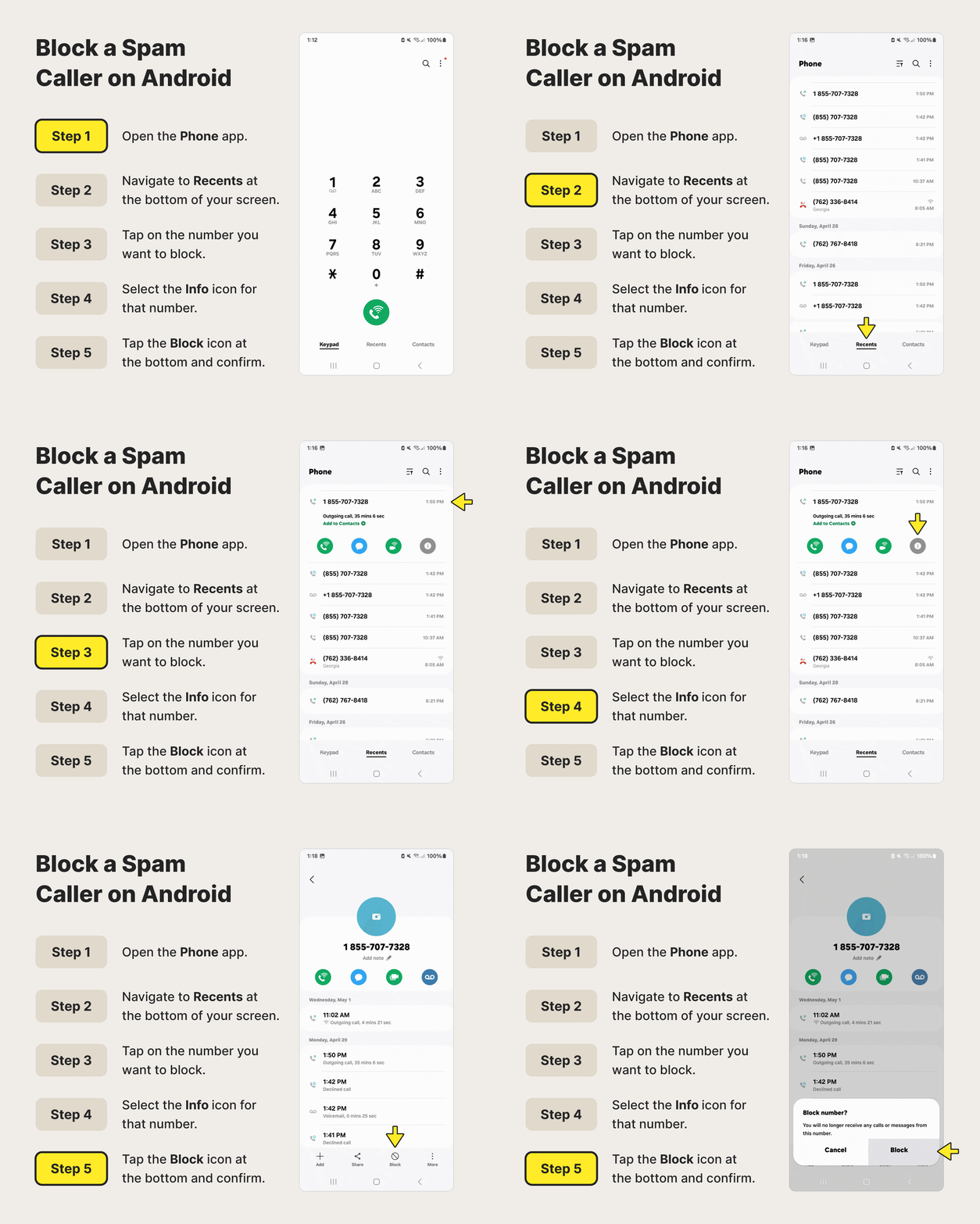
Here is how to block individual numbers on Android:
- Open your Phone app.
- Navigate to Recents at the bottom of your screen.
- Tap the number you wish to block.
- Select the Info icon beside or beneath the number.
- Tap Block, then confirm if necessary to stop receiving calls and messages from the phone number.
Note that the steps may vary depending on your specific Android device.
If you are tired of fielding endless calls from unknown numbers, adjust your Android settings to block spam calls before they reach your phone.
Here is how to block spam calls on Android:
- Open your Phone app.
- Tap the icon with three vertical dots at the top of the screen.
- Select Settings.
- Tap Caller ID and spam protection.
- Toggle on See caller and spam ID and Filter spam calls to activate the protection feature.
Block Spam Calls on iPhone
iPhones have a spam-blocking feature that allows users to block unknown numbers or silence unknown callers.
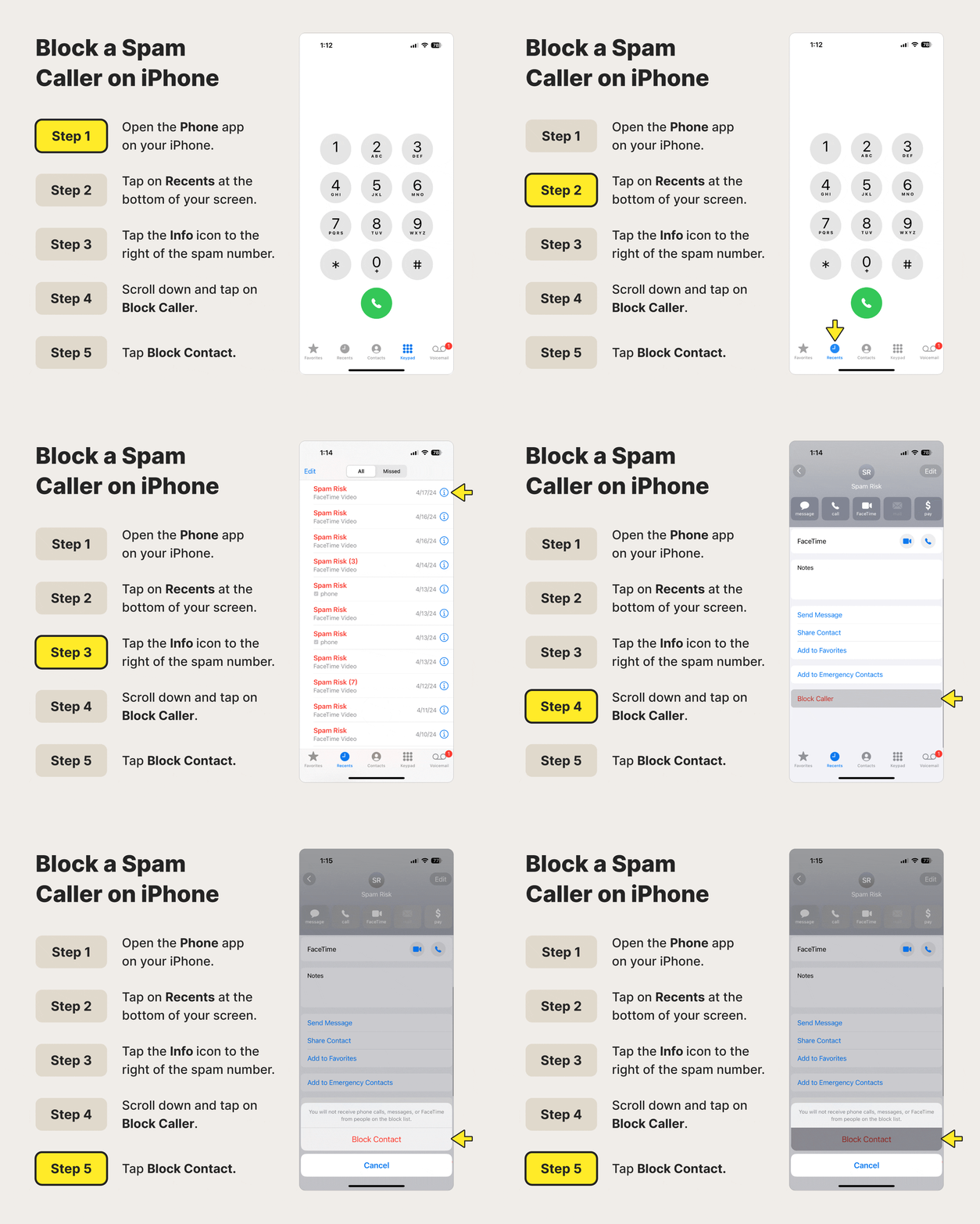
Here is how to block an individual number on an iPhone:
- Open the Phone app on your iPhone.
- Tap Recents at the bottom of your screen.
- Tap the blue “i” in a circle to the right of the spam number.
- Scroll down and tap Block Caller.
- 5. Finally, tap Block Contact to stop the person from calling, messaging, or FaceTiming you.
Here’s how you can silence calls from all unknown callers on your iPhone:
- Go to Settings.
- Tap Phone.
- Scroll down and tap Silence Unknown Callers.
- Toggle the switch to the right to silence unknown numbers and they’ll be sent straight to voicemail.
Block Spam Calls on a Landline
You can add your number to the National Do Not Call Registry to prevent telemarketers from calling you. How to Block a Landline Number Blocking spam phone numbers from a landline is more difficult than a mobile phone, and depends on the type of phone and service provider you have.
- Refer to your landline phone’s manual to find out whether it can filter or block spam calls.
- Inquire with your provider on call-blocking services that can help you in identifying, and possibly avoiding, spam calls. Or, check out their web site for instructions on-line.
First up, here is how you can block unwanted calls with AT&T and Verizon.
- AT&T: Block 10 local numbers using the Call Block service for a monthly fee. Dial *60, then 3 (if prompted) to activate the feature. To enter a number, press # and dial 10-digit number followed by # to save.
- Verizon: You can block calls from those who don’t show their Caller ID in your call settings by pressing *77 (or 1177 from a rotary or pulse-dial phone).
FAQs About Spam Risk Calls
Still have questions? Here are some answers to common questions.
How Did Spammers Get My Number?
Spammers might have gotten your phone number through public records, data breaches, or data brokers who scrape the web and public records and sell the information they find.
Can Spam Risk Calls Be Legitimate?
Calls marked “spam risk” are rarely legitimate. However, if a legitimate business or individual has irregular calling habits, it’s possible that a service might mistakenly identify their number as spam.
Why Does My Number Show up as a Spam Risk?
Your number might be flagged as spam due to high call volume, short call times, or reports from people you have called.
If the phone number is related to your business, you should register your number on lists like the Free Caller Registry, which is free to do and helps identify the number as legitimate.
Can I Mass-block Spam Calls?
To block spam calls, you should register your number on the National Do Not Call Registry, activate spam filters on your phone, and install a spam blocker from Apple’s App Store or Google Play to stop spam messages and calls.


